Ingredient Lists and Additives
Posted on February 5, 2026
Understanding Ingredient Lists
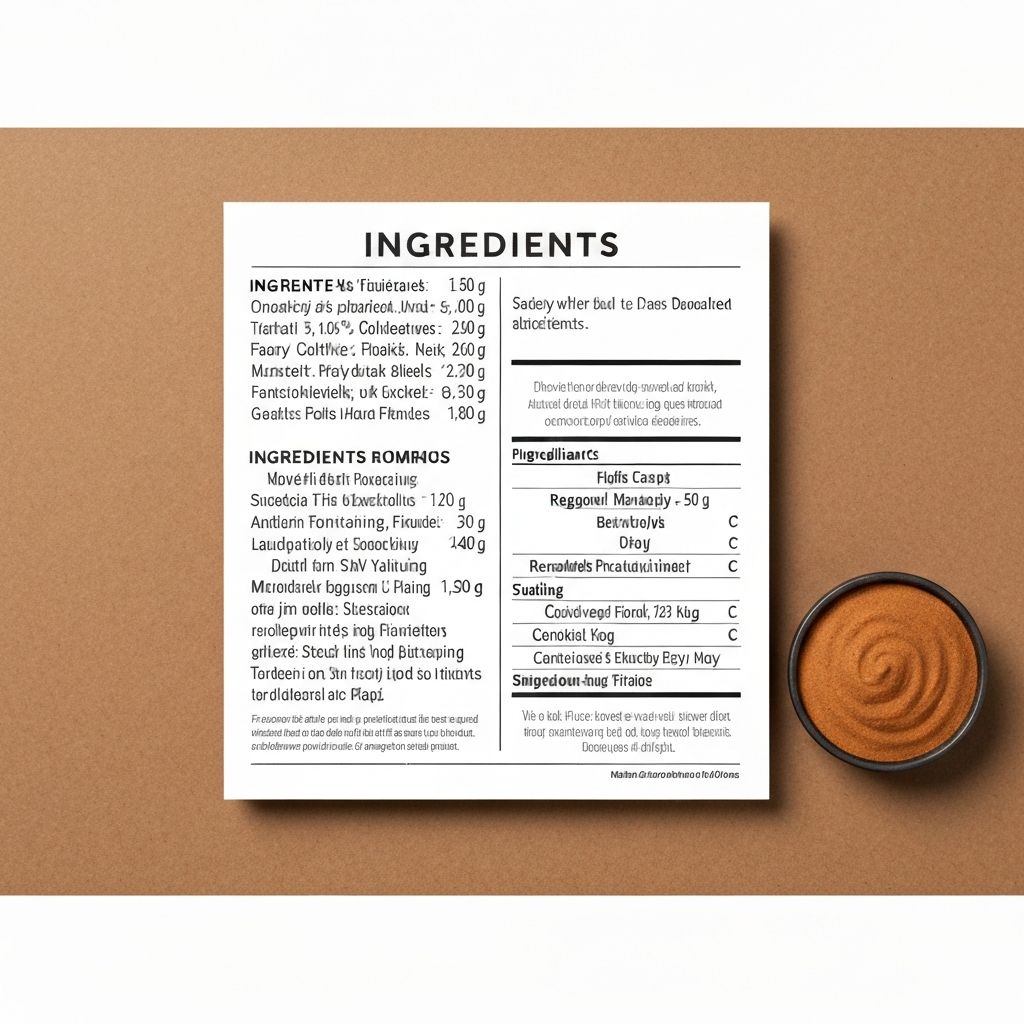
The ingredient list on a food label displays all components included in the product. Ingredients are listed in descending order by weight, meaning the ingredient present in the largest amount appears first.
Reading the Ingredient List
By understanding the ingredient list, you can identify the main components of a product and any additives it contains. This information helps you assess what is in the food and make comparisons between products.
Some ingredients are simple, such as wheat or sugar. Others are compounds with specific functions, such as preservatives, emulsifiers, or colorants. Understanding these different categories helps you interpret what you are reading.
Food Additives
Food additives are substances added during manufacturing for specific purposes. Common categories include preservatives, which extend shelf life; emulsifiers, which help mix ingredients that would normally separate; and colorants, which add or maintain color.
Additives also include flavoring agents, thickeners, stabilizers, and texture modifiers. Each serves a functional purpose in the food product. These additives are regulated by food safety authorities to ensure they are safe for consumption.
Identifying Additives
Some additives are listed by their common names, while others are listed by their chemical names or by their function category. For example, citric acid is both a preservative and a flavoring agent. Lecithin is an emulsifier that helps maintain product consistency.
Numbers like E150 or E412 are additive codes used in some countries, particularly in Europe. These codes correspond to specific substances that have been approved for use in food products.
Allergens and Special Information
Food labels must declare major allergens, which are foods known to cause allergic reactions. Common allergens include peanuts, tree nuts, milk, eggs, fish, crustaceans, soy, and wheat. These are often highlighted or listed separately on labels for easy identification.
Special Declarations
Labels may contain additional declarations such as may contain traces of allergens if they are processed in facilities that handle allergens. Some labels also indicate whether products contain genetically modified organisms, though regulations vary by country.
Natural vs. Processed Ingredients
Both natural and processed ingredients appear on labels. The term natural is not strictly regulated and does not necessarily indicate nutritional value. Processed ingredients are often created through industrial processes but are designed to serve specific functions in food products.
Interpretation of Ingredient Lists
A short ingredient list with recognizable items does not necessarily indicate higher quality or better nutrition than a longer list. The value of a product depends on the complete nutritional profile and how it fits into an overall diet.
Understanding ingredient lists provides objective information about product composition but does not tell you whether the product is suitable for your individual needs. That determination is personal and varies based on individual circumstances.
Educational Information
This article is for educational purposes and explains how to interpret ingredient lists and understand additives. Individual sensitivities and needs vary. Regulations and ingredient labeling requirements differ by country and region. This information does not constitute personal nutritional advice.